Connecting the world
with universal wisdom “SOPHIA”
Vision
ENSOPHIA's predecessor, SILKROAD JAPAN, was established in 2018 based on the concept of the “Silk Road”, an ancient trade route that bridged the development and prosperity of the East and West, where people, goods, culture, and art have crossed and collaborated since ancient times. We had been providing various events and concerts with the theme of co-creation and exchanges of traditional art and culture between Japan and the world.
As ENSOPHIA, we will continue to work to draw a rich world of interconnectedness based on the "wisdom (SOPHIA)" contained in the various cultures, traditions, and spiritualities around the world.
ENSOPHIA’s EN represents the English prefix meaning “to verbify”, “to strengthen”, and “to enter into”, as well as Japanese meanings of EN= karma, circle, circulate, enlightenment and oriental wisdom.
We are committed to continue work toward creating the better world by applying authentic universal wisdom based on the interconnectedness of western and eastern wisdom to make them useful in our current society and life.
Activities
-
Co-create by exchanging cultures and mutual understanding
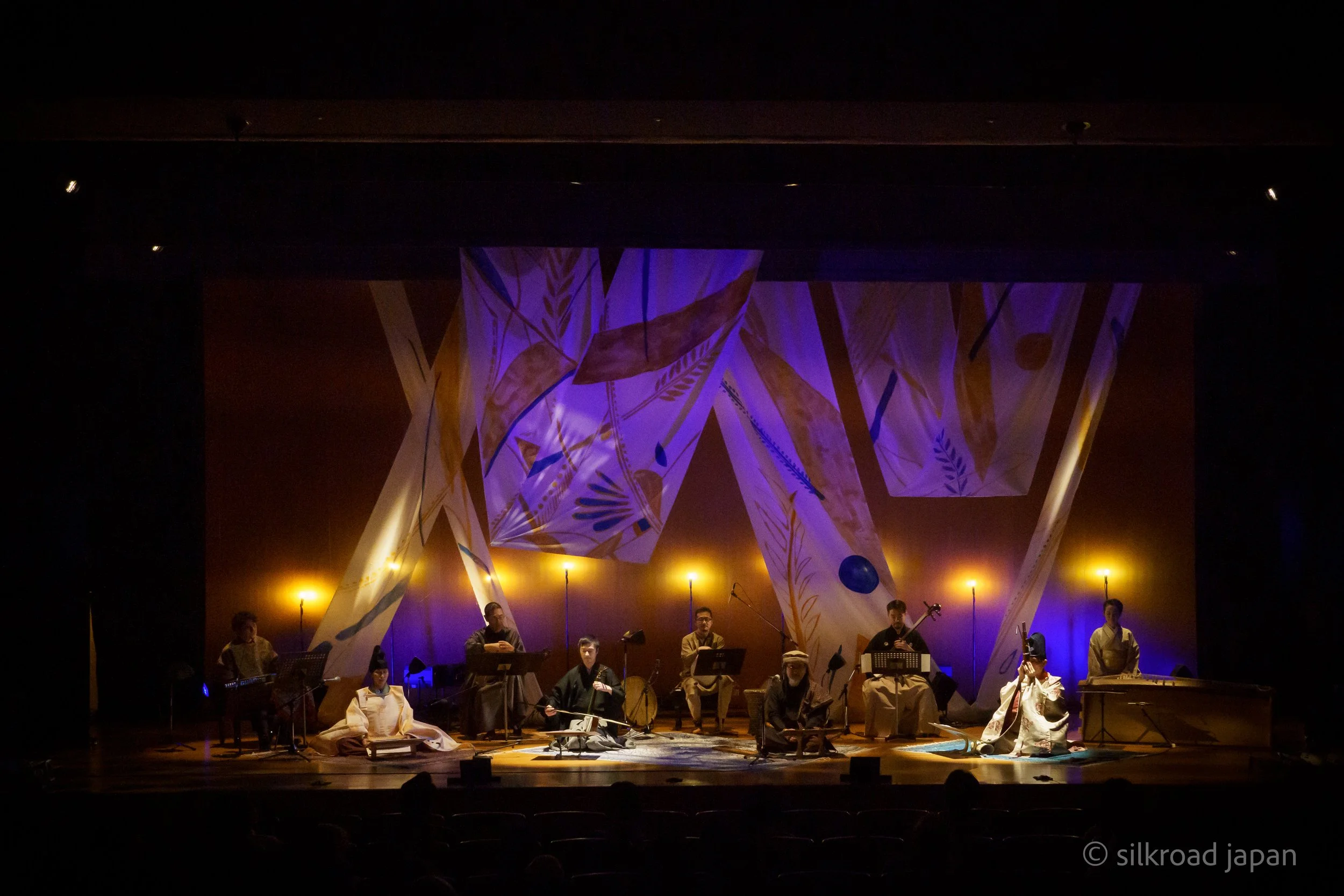
Our starting point was to transmit the values of multiculturalism and presenting possibilities of new collaboration of cultural performing arts and music as we traveled back along the Silk Road from east to west.
When we encounter differences, we re-discover our own essence and value. New creativity may be born from there.
By creating stages and workshops centered on music and cultural performing arts through exchange and co-creation with different cultures; we envision the possibility of new value creation through multicultural coexistence and collaboration. -
Performances and Cultural Experiences Celebrating Japan’s Traditional Arts and Culture
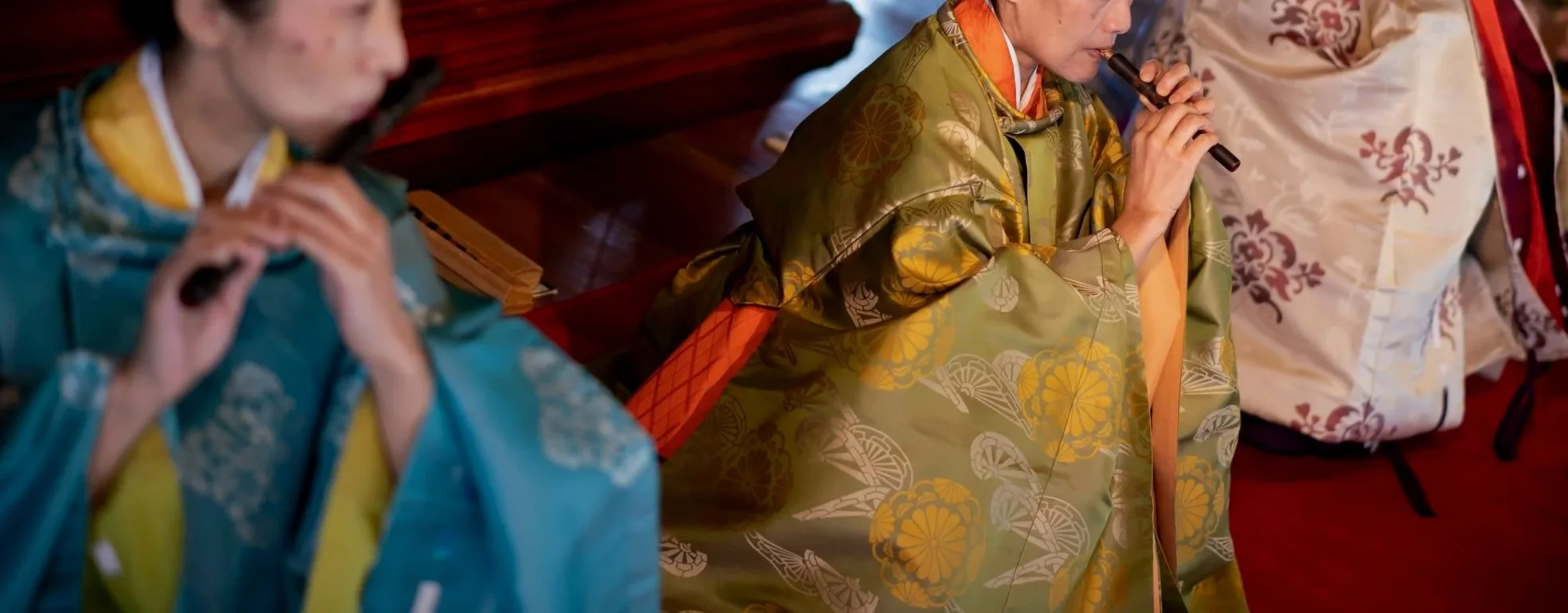
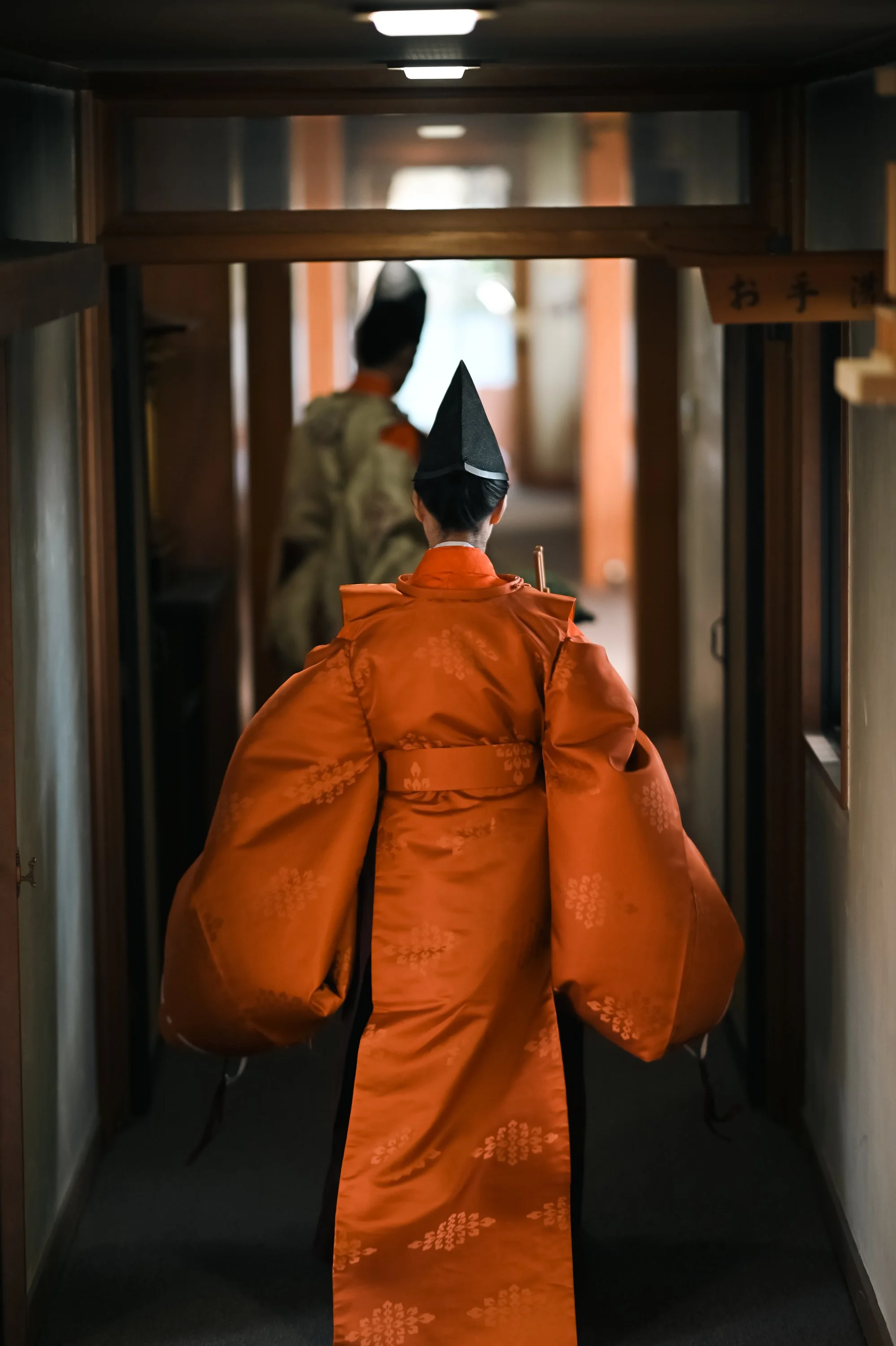
We create opportunities for people around the world to experience the beauty, depth, and richness of Japan’s traditional arts and culture, making these timeless traditions more accessible and meaningful to contemporary audiences.
Collaborating with leading artists and performers across a wide range of Japanese traditional arts, including Gagaku (ancient Japanese court music), we curate and deliver authentic performances, live demonstrations, and immersive cultural experiences. Each program is thoughtfully tailored to the unique purpose, setting, and audience of corporate events, luxury hotels, cultural institutions, and international gatherings.
-
Promote the sharing of wisdom and practices that transcend cultures for the better lives
The world’s diverse cultures have accumulated wisdom for “better living” that has been nurtured in each country, nature, and social environment.
We will hold lectures and workshops as a platform to share and exchange those differences and commonalities, and generate new wisdom for all lives on the planet. -
Create community by promoting interaction of social diversity and mutual understanding between different cultural backgrounds and sectors
Creating a platform where people from different cultural and social backgrounds, beliefs, and sectors can meet to connect and dialogue with each other to generate new wisdom for solving their issues, and creating possibilities for unprecedented collaboration and innovation to create the value gifted from diversity.
-
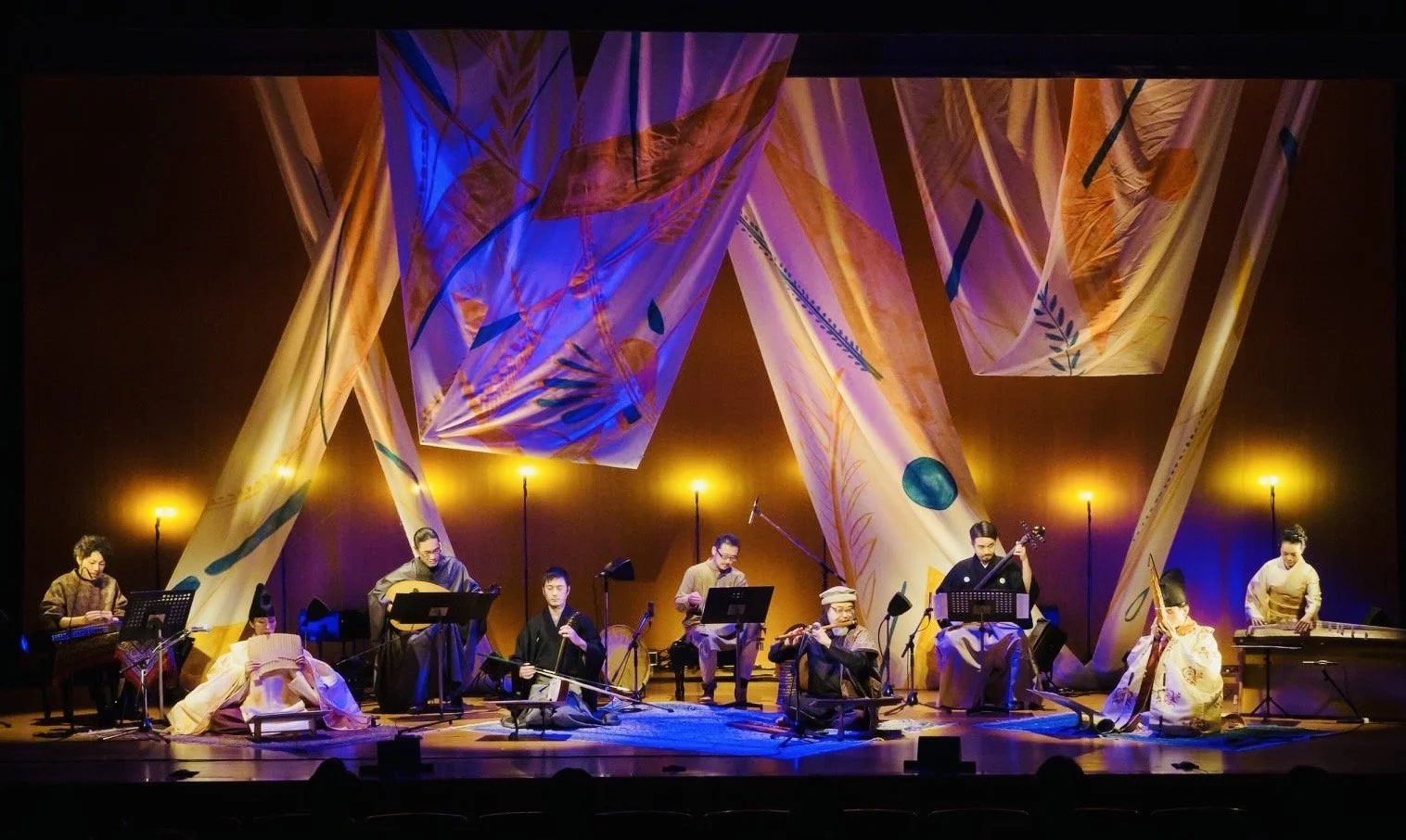
![]()
the Silk Road ensemble
-
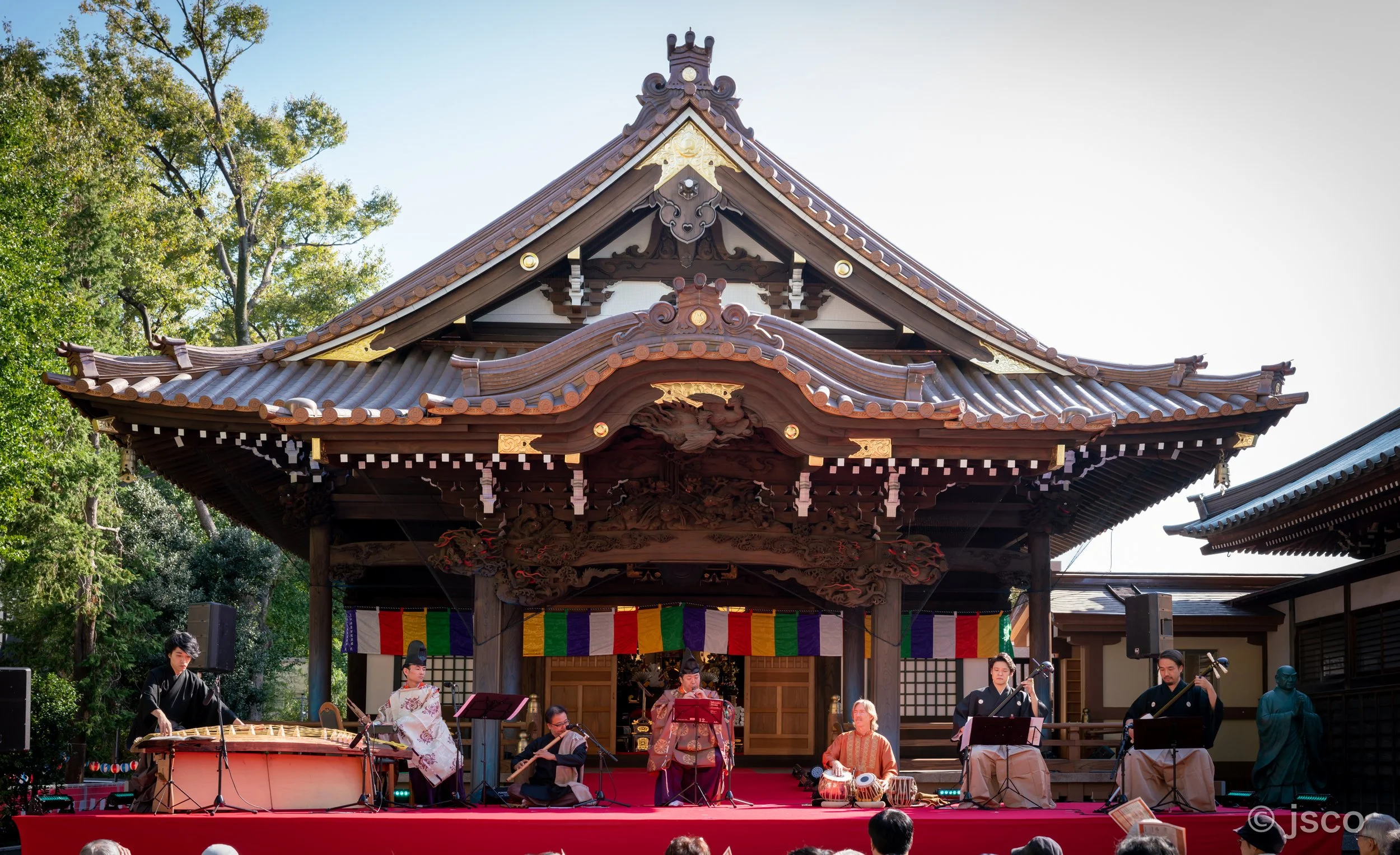
![]()
Silk Road Concert Commemorating the 400th Anniversary of Jissōzan Shōgaku-ji Temple
-
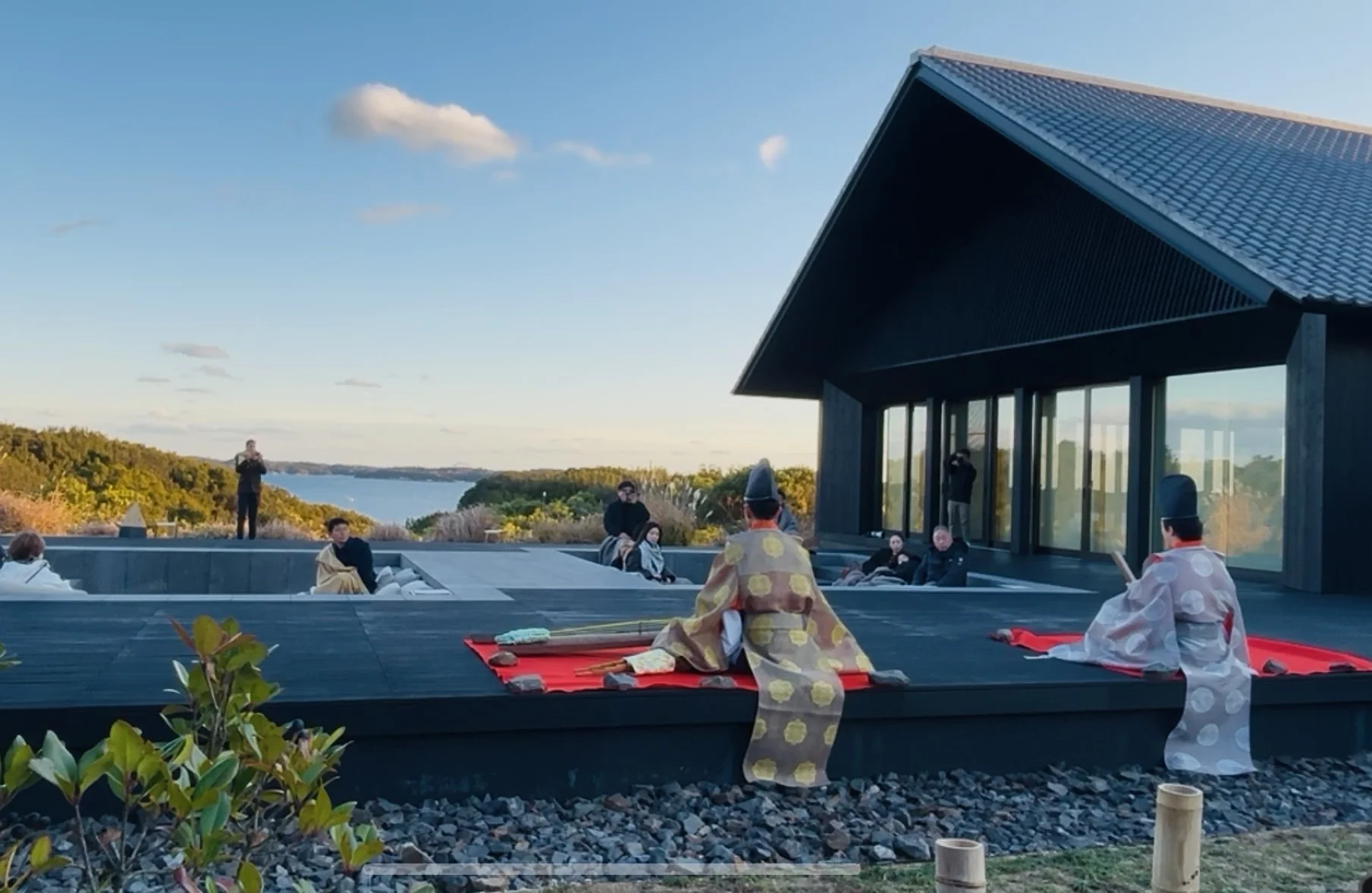
![]()
New Year Gagaku Concert 2026 at Amanemu Hosted by Aman Resorts
-
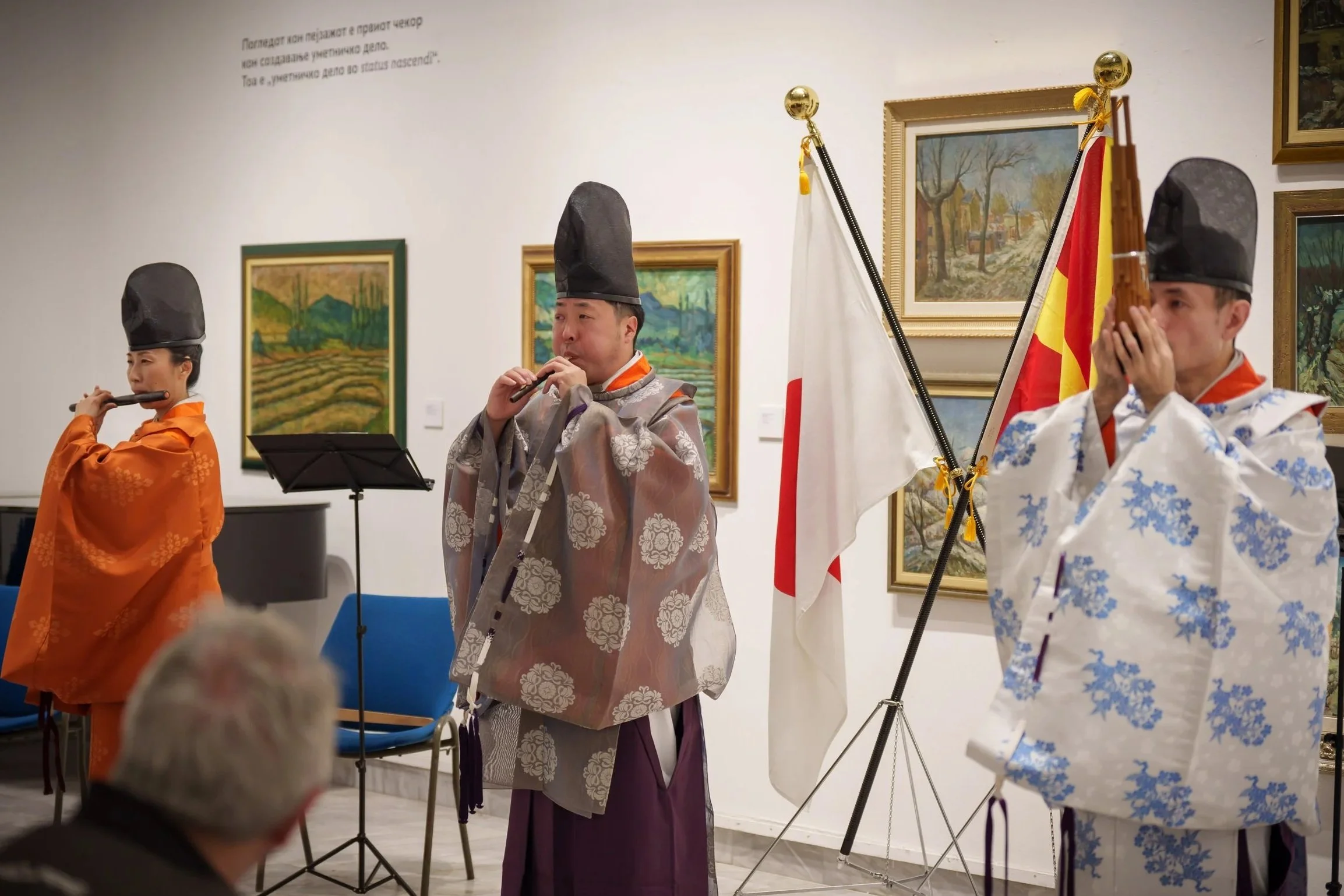
![]()
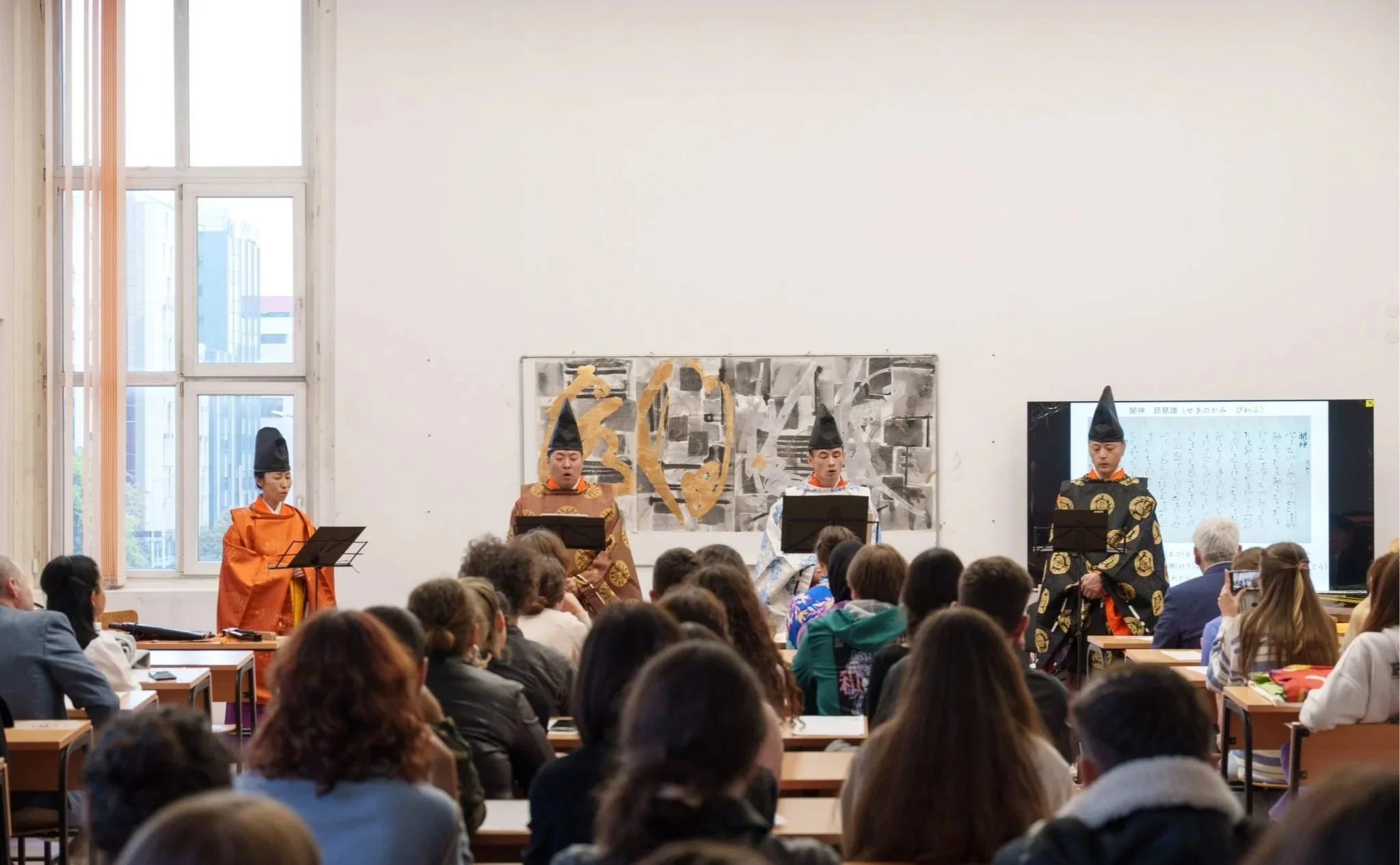
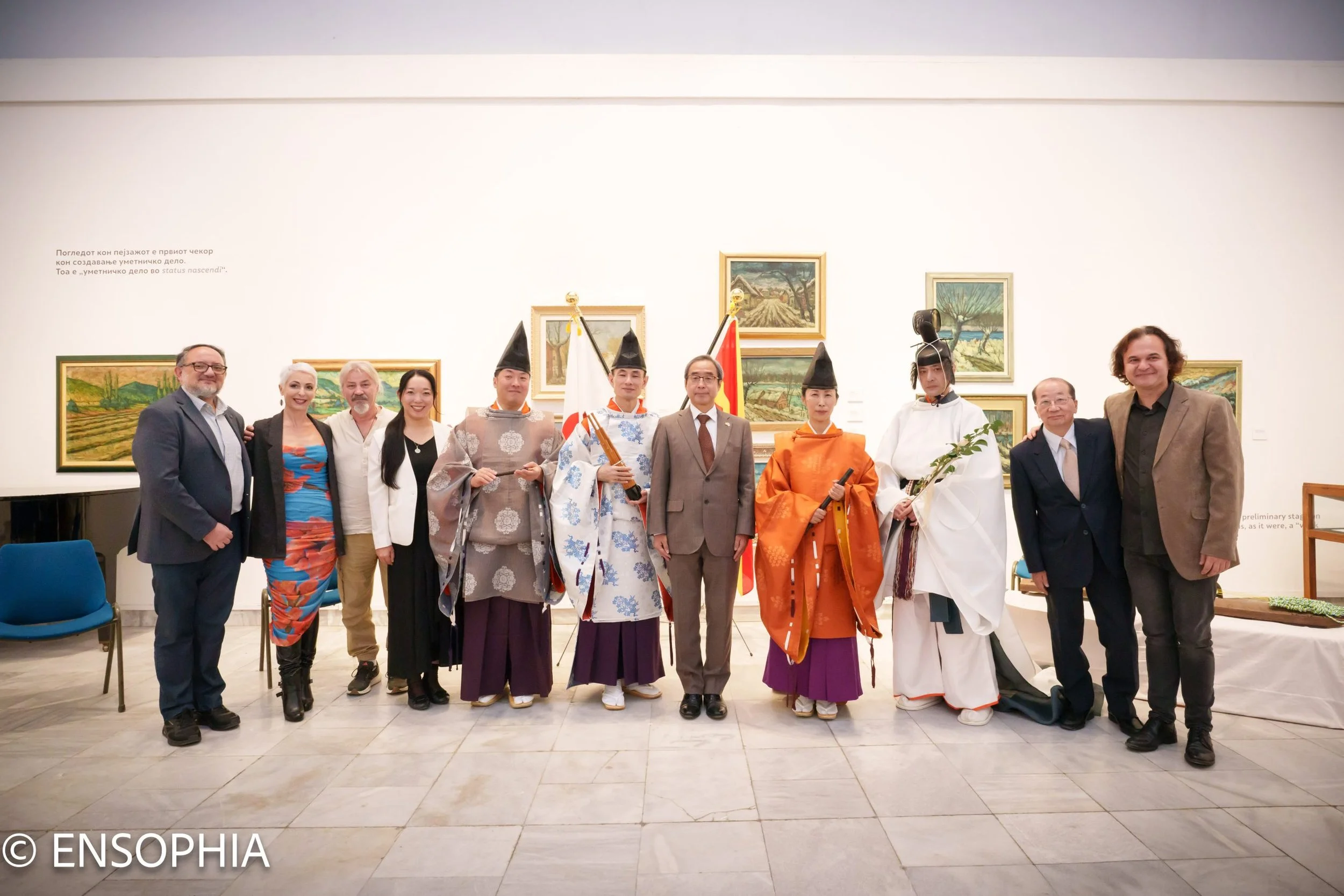
A Lecture-Concert at the National Gallery of North Macedonia
-
![]()
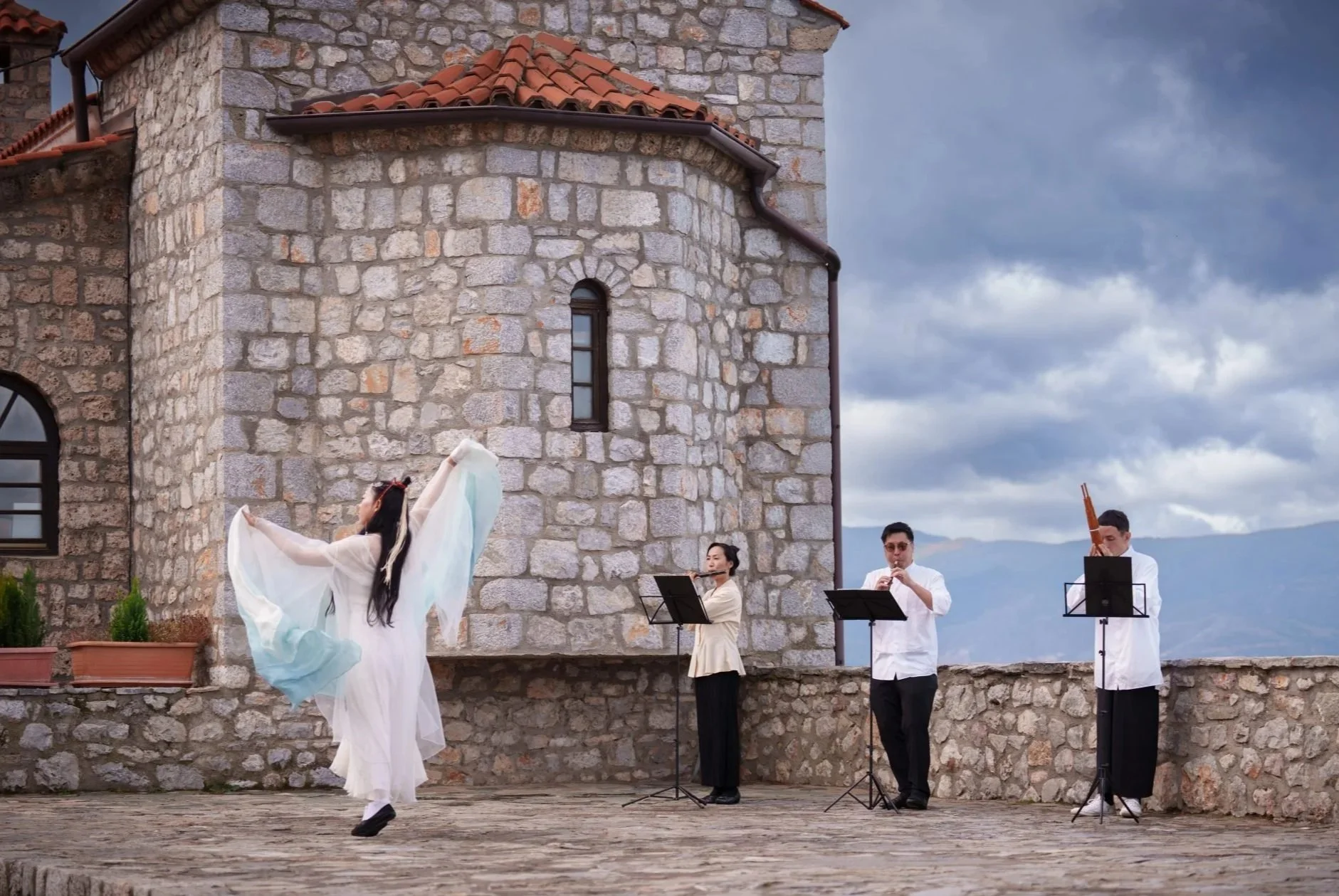
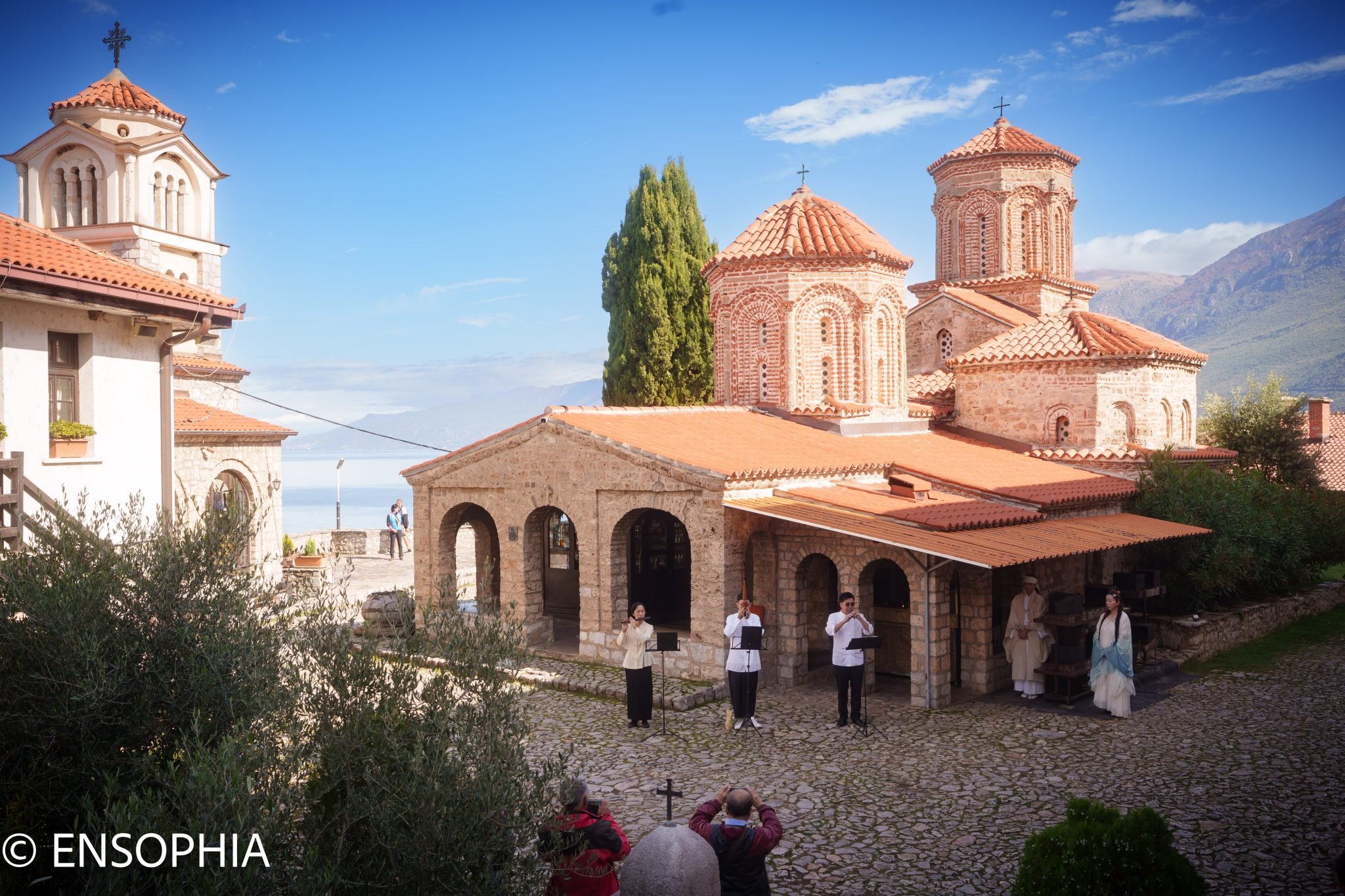
A Performance by Lake Ohrid, Macedonia
-
![]()
A Lecture-Concert at Sofia University, Bulgaria
Founders

Yoshika Sawairi
Professional & Artistic Background
She began her career at the Asian Productivity Organization, contributing to development projects in Indonesia, India, and South Africa, and later joined the World Economic Forum Japan Office, where she helped establish the office and led cultural and arts engagement with Japanese artists, spiritual leaders, and emerging young leaders. For nearly 20 years, she has studied traditional dances across Asia and the Middle East—including China, Korea, India, Central Asia, Persia, Turkey, and the Arab world—alongside Japan’s classical performing arts such as Noh, Gagaku, and Miko ritual dance, deepening her understanding of the cultural and spiritual landscapes of the Silk Road.
Leadership & Mission
She offers dedicatory music and dance at shrines and temples as prayers for peace, and her work embodies a commitment to cross-cultural connection through the universal language of artistic tradition. Motivated by this vision, she founded ENSOPHIA to cultivate harmony across cultures and to advance cultural diplomacy through music, ritual, and the performing arts.
Founder
Artistic Training & Education
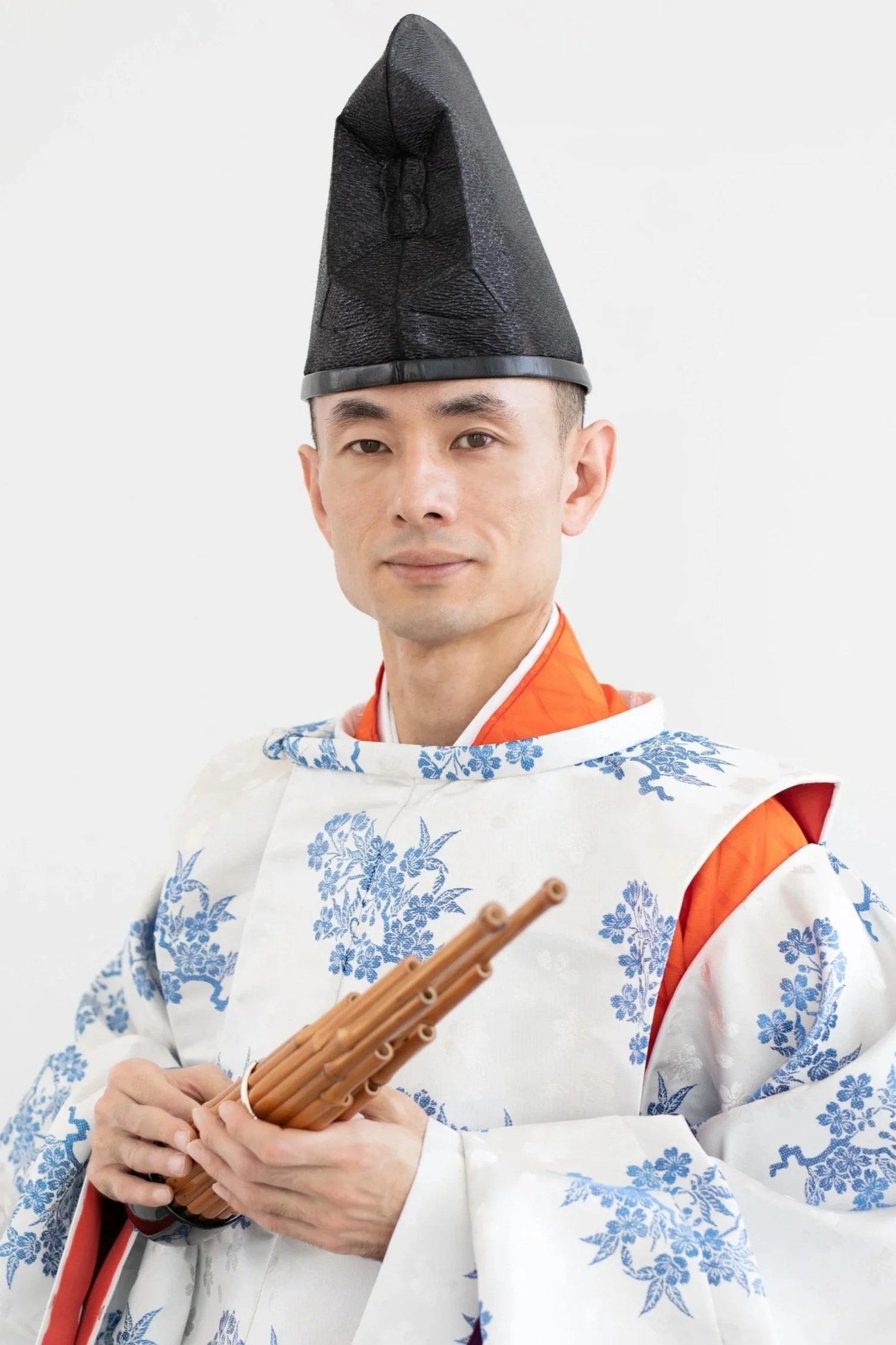
He studied music culture theory under Junichi Konuma at Waseda University, and later graduated from the Tokyo University of the Arts (Gagaku Program). After graduation, he trained extensively in shō, Right Dance (Ubugaku), wagon, and ancient Gagaku vocal traditions under Hideaki Toyohide (former Chief Court Musician of the Imperial Household Agency).).
Performance & Creative Work
He is active across classical Gagaku, contemporary music, improvisation, and cross-genre collaborations. He has participated in major projects including Miyamoto Unosuke Shoten’s “Iyasaka Project” and violinist Ikuko Kawai’s “Orchestra Hibiki.” He has also appeared in and provided musical coaching for NHK Taiga Drama productions. In recent years, he has deepened his work in ancient Gagaku vocal repertoire, and his rōei singing was featured in a special exhibition at the Metropolitan Museum of Art, New York (2025).
Shō and Ancient Vocal RepertoireJumpei Ohtsuka
Board of Directors
Director & Executive Director
CEO, Global Samurai Advisory, LLC
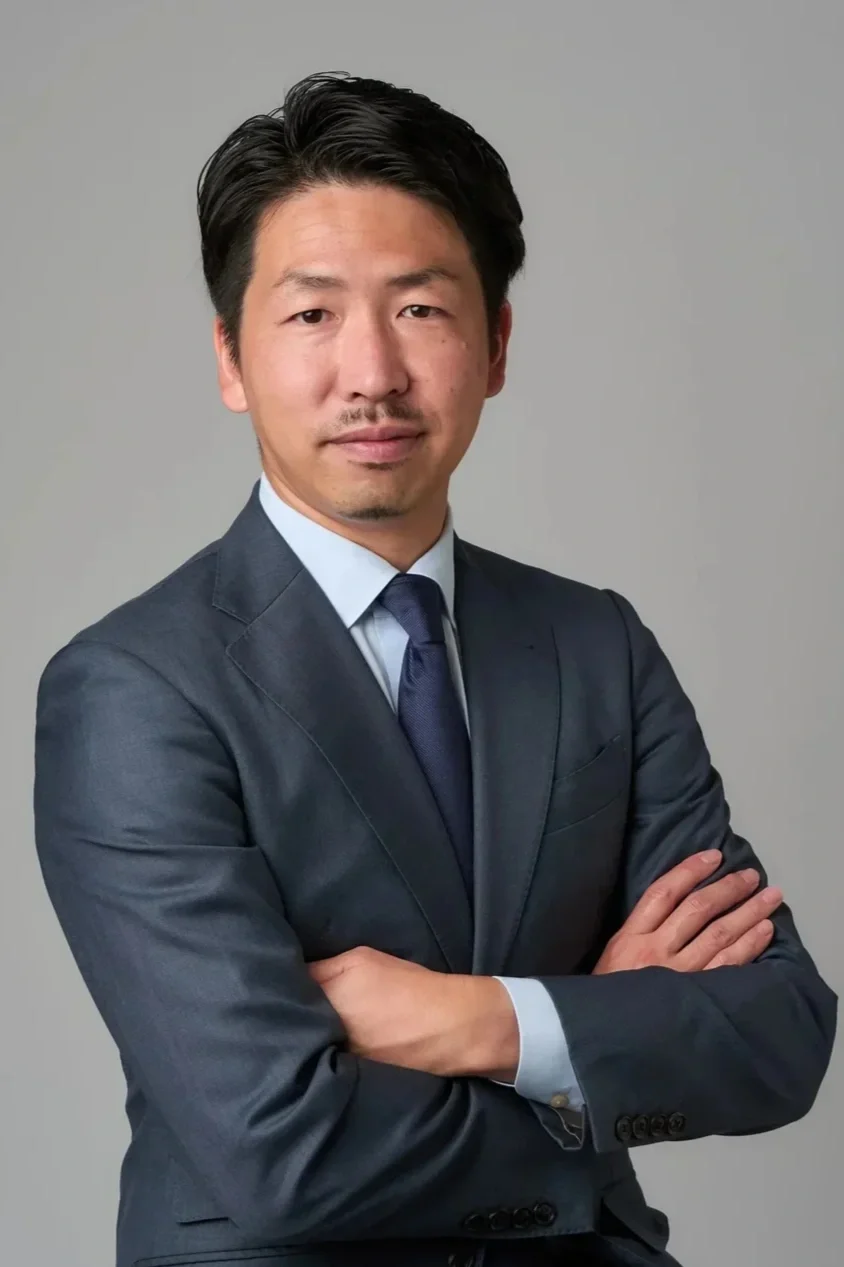
Takashi Kawamoto
Former diplomat at Japan’s Ministry of Foreign Affairs, later serving in Deloitte Strategy and the United Nations (EUHeadquarters) on rule-making for the Sendai Framework. Held leadership roles in global strategic communications as aDirector at Brunswick Group (U.S.), and in corporate strategy as Head of M&A Strategy & Governance at Kansai Paint.Founded Global Samurai Advisory LLC in 2025. Across diplomacy, consulting, the UN, and corporate leadership, he hasfocused on bridging Japan and the world and connecting culture, business, and society.
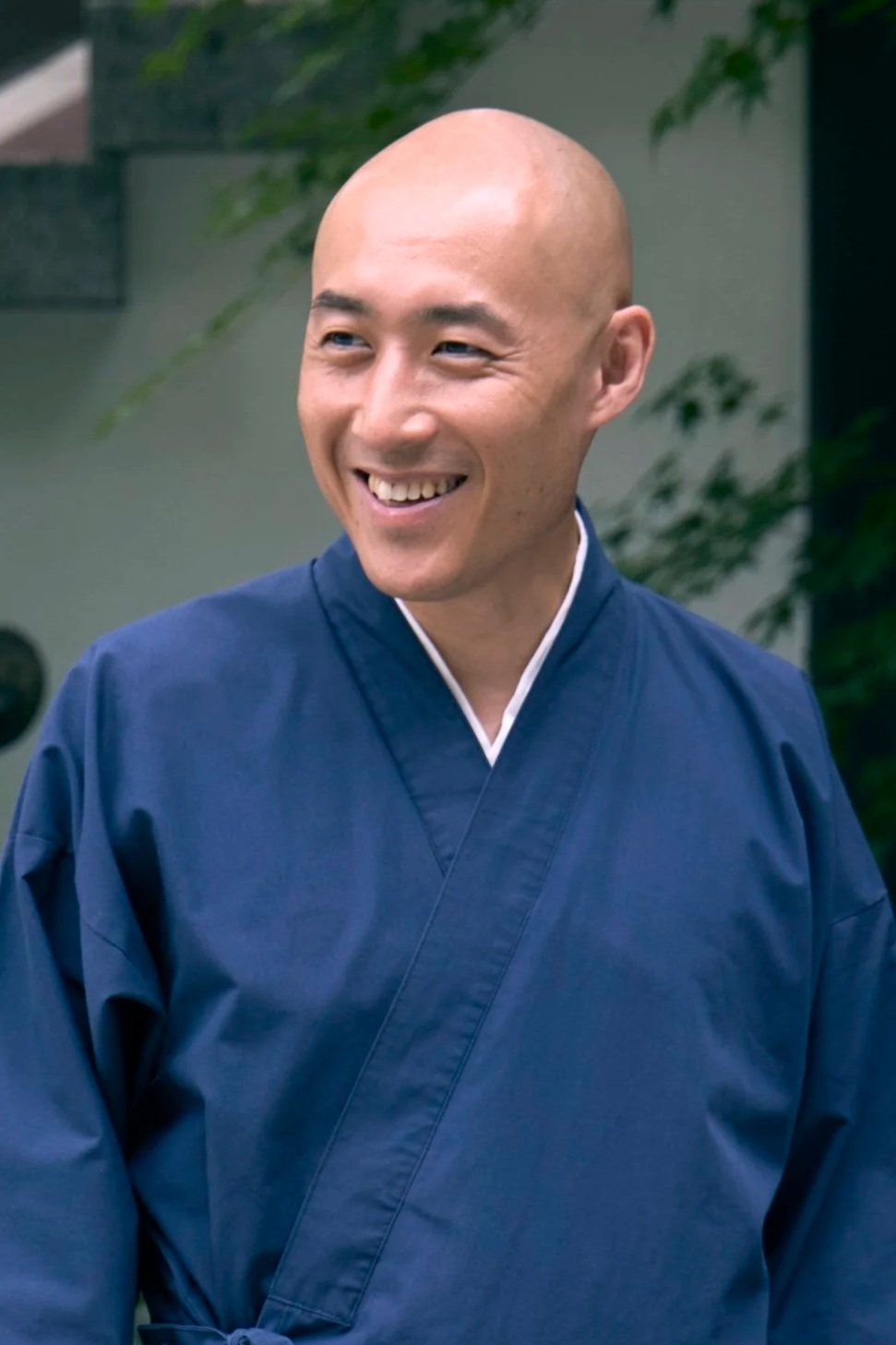
Shoukei Matsumoto
Director
Buddhist Monk / Professor, Faculty of Well-being, Musashino University
Graduated from the University of Tokyo with a degree in Philosophy and earned an MBA from the Indian School of Business. Selected as a World Economic Forum Young Global Leader and serves on its Global Future Council on Leadership. Conducted AI ethics research as a Mercator Visiting Professor at the University of Bonn. Bridging Buddhist wisdom and contemporary society, he explores leadership, AI ethics, and fundamental questions facing individuals and organizations worldwide. His international bestseller, A Monk’s Guide to a Clean House and Mind, has been translated into over 20 languages. His latest book is Work Like a Monk.

Kazumi Terada
Director
CEO, Global Grace Link Japan, Inc.
Graduated from University of the Sacred Heart. Led international executive programs at an HR consulting firm, hostingnearly 100 global leaders including Mikhail Gorbachev and Al Gore. Founded Global Grace Link Japan, Inc. in 2008,following the launch of the Japan Office for one of Monaco’s three royal-sponsored grand balls. Recent work includesprograms with Singularity University Japan, support for young artists backed by HM King Charles III, and assisting theJapan launch of the Nobel Sustainability Award. As CEO, she leads an international consulting and production companysupporting new business development, product creation, PR, leadership training, media and cultural initiatives—linkingdiverse sectors to help build a world filled with grace, hope, and human potential.
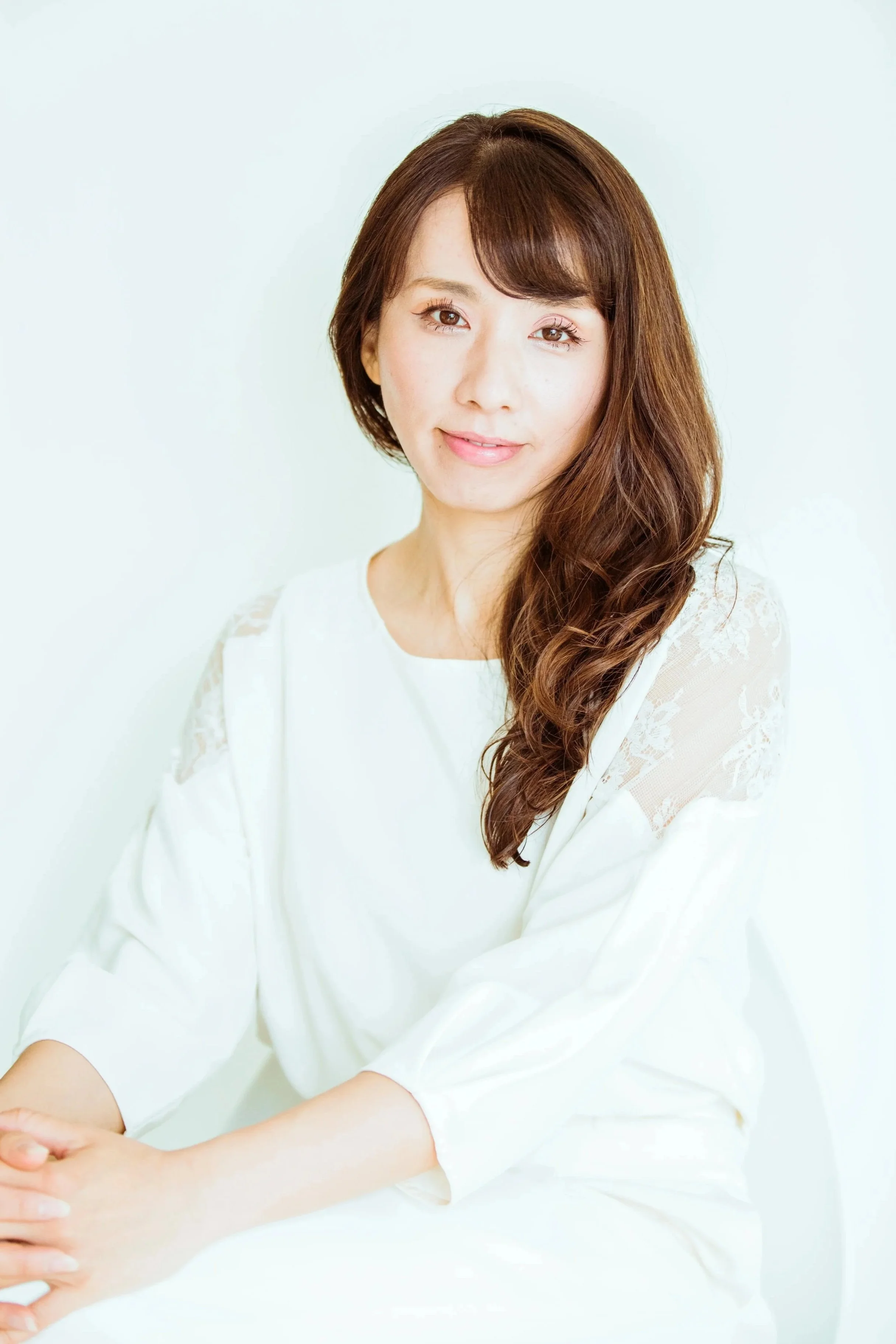
Mihoko Kashiwakura
Director
Head of East Asia Relations, Gates Foundation
Japan Country Director, Bill & Melinda Gates Foundation since 2017, following roles in investment banking, ESG analysis,
and the World Economic Forum. Graduate of Keio University and the University of Cambridge (MBA); licensed U.S. CPA.
Founder of Adachi Kids Café, providing food support for single mothers, and Co-Founder/Board Member of the non-profit Choifull. Board Member of the Gojō Foundation.
Our blog
Company Profile
The objectives of our organization is to make use of the universal wisdom to the world that has been natured in the diverse traditions, arts and cultures for help creating better societies by mainly engaging in the following activities:
Promoting traditional arts and cultures
Dispatching and inviting artists and specialists to/from the abroad
International cooperation projects
Training of traditional arts and music, cultural projects
Publishing books, music and performing arts, and its event production
Name of the Organization General Incorporated Association ENSOPHIA (predecessor: SILKROAD JAPAN)
Address Kuwano Bldg 2F, 6-23-4 Jingumae, Shibuya-ku, Tokyo
webisite ensophia.org
email info@ensophia.org
Founder / Co-Representative Directors Yoshika Sawairi, Jumpei Ohtsuka
Directors Takashi Kawamoto, Shoukei Matsumoto, Kazumi Terada, Mihoko Kashiwakura, Fuminori Sasaki